Opinion|Macao's cultural strength is its greatest contribution to national development

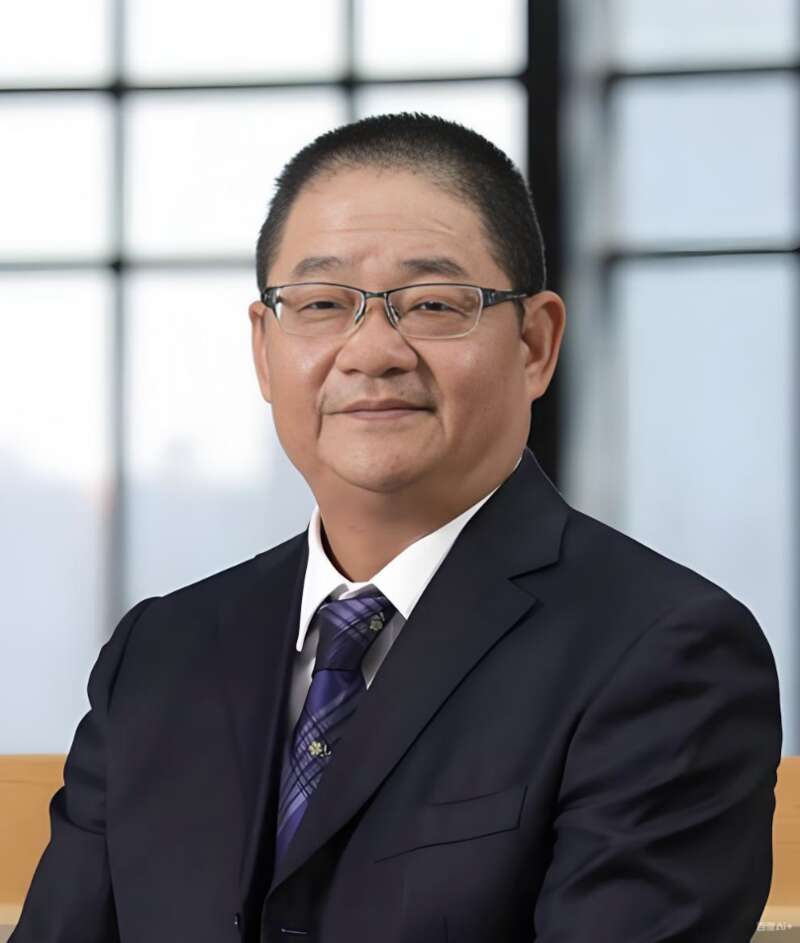
Wu Zhiliang, a member of the 14th National Committee of the Chinese People's Political Consultative Conference (CPPCC) and President of the Federation of Associations of Cultural Sectors of Macau said in an interview with China Youth Daily that the Fourth Plenary Session of the 20th CPC Central Committee had made significant plans to promote cultural confidence and strength, as well as to build a socialist cultural power. Of all Macao's advantages within the national development strategy, culture is the area in which it can contribute the most.
Spanning over four centuries, the Historic Centre of Macao comprises more than 20 historic buildings and eight plazas, from the Guia Fortress to the A-Ma Temple Square, radiating the charm of East-West cultural fusion. In July 2005, the "Historic Centre of Macao" was inscribed on the UNESCO World Heritage List. Wu noted that Macao has preserved a rich cultural legacy - it is not only home to a world heritage site but is also recognized by UNESCO as a "Creative City of Gastronomy". This unique blend of history and culture makes Macao a living showcase of the inclusiveness and creativity of Chinese civilization.
Macao also occupies a significant position in China's historical interactions with the rest of the world. Some of China's earliest overseas students set off from Macao to study abroad, and many Chinese classics were translated and introduced to the West there. Likewise, modern Western science, technology and culture entered China through Macao. Throughout history, the city has played an important role, making unique contributions as a bridge between civilizations.
Against the backdrop of the Guangdong-Hong Kong-Macao Greater Bay Area (GBA) development, Wu believes that Macao can leverage its cultural strengths and international outlook to serve as a "super connector" and cultural hub linking the mainland and the wider world. The Outline Development Plan for the Guangdong-Hong Kong-Macao Greater Bay Area explicitly positions Macao as "a base for exchange and cooperation where Chinese culture is the mainstream and diverse cultures coexist". Wu added that Macao should take full advantage of this policy to establish itself as a leading platform for China's cultural outreach, facilitating exchanges and mutual learning between civilizations. This could be achieved by actively hosting high-level international cultural forums, art exhibitions, and large-scale performances.
To promote coordinated cultural and tourism development within the GBA, Wu suggested that Macao work with other cities in the region to jointly develop "multi-destination" travel routes. By combining Macao's world heritage sites and culinary culture with the GBA's rich history, humanistic traditions, and natural landscapes, the region can enhance the global appeal and competitiveness of the region's tourism products. (By Zhao Anqi/China Youth Daily)