文质彬彬·每日好词语 | 百戏

百戏
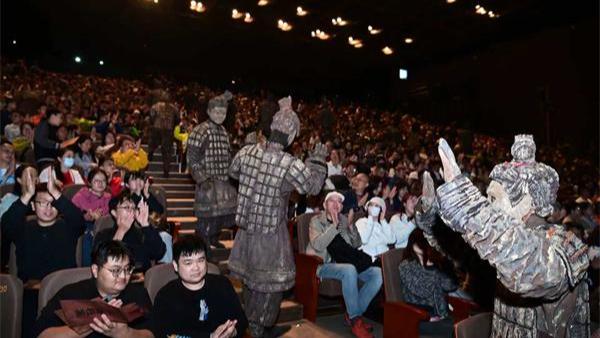
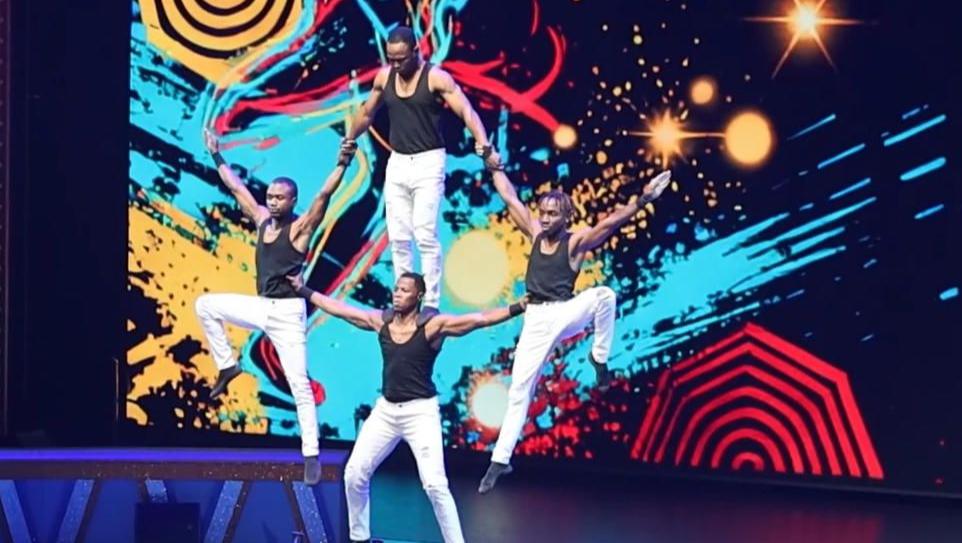
中国古代歌舞杂技表演的总称,包括武术、魔术、驯兽、歌舞、滑稽戏表演,及空中走绳、吞刀、踏火等各种杂技,内容丰富,形式多样,追求娱乐效果,具有民间性和通俗性,“百戏”表示其种类繁多。汉代开始流行,南北朝以后其义同于“散乐”,唐代进一步盛行。宋代以后,散乐侧重指文人创作、艺人表演的歌舞、戏剧,百戏则相当于民间杂技。百戏孕育了歌舞、戏剧等高雅艺术,留下了中国杂技这一非物质文化遗产。
Baixi (All Performing Arts)
It's a generic term in history for performing arts, including martial arts, magic, taming animals, song and dance, farce, tightrope walking, knife swallowing, walking on fire, and other acrobatic performances. Such performing arts were diverse in both form and content, with the only criterion being to entertain the popular audience. The term baixi literally means "a hundred forms of performances", and suggests, different kinds of performing arts. Such performances began in Han times. After the Southern and Northern Dynasties, another term sanyue became synonymous with baixi. During the Tang Dynasty the performing arts became even more popular. In Song times sanyue came to refer mainly to song and dance performances or operas created by men of letters; while baixi came to mean principally acrobatic shows by folk artists. It is fair to say that baixi gave birth to high-brow song and dance as well as operas. It turned acrobatics into a form of intangible cultural heritage.
引例
秦汉已来,又有杂技,其变非一,名为百戏,亦总谓之散乐。(郭茂倩《乐府诗集》卷五十六引《唐书·乐志》)(自秦汉以后,又加入了各种杂技,演变出很多种类,总称为“百戏”,也称“散乐”。)
From the Qin and Han dynasties onward, there appeared different kinds of acrobatic shows and a great variety of performing arts, which were referred to as baixi, and were also called sanyue. (The History of the Tang Dynasty, as cited in Guo Maoqian: Collection of Yuefu Poems)